Optimal Timing for Concrete Leveling
Concrete levelings are most effective when performed during specific weather conditions to ensure proper curing and adhesion. Temperature, humidity, and ground moisture levels play crucial roles in the success of the process. Understanding optimal timing can help achieve long-lasting results and minimize the need for future repairs.
Concrete leveling should be done when temperatures are between 50°F and 85°F for optimal curing and adhesion.
Dry weather with low humidity is preferred. Avoid performing leveling during rain or when rain is forecasted.
Spring and early fall are typically ideal seasons, as temperatures are moderate and weather conditions are stable.
Ensure the ground is not excessively wet or frozen. Proper moisture levels are essential for effective leveling.
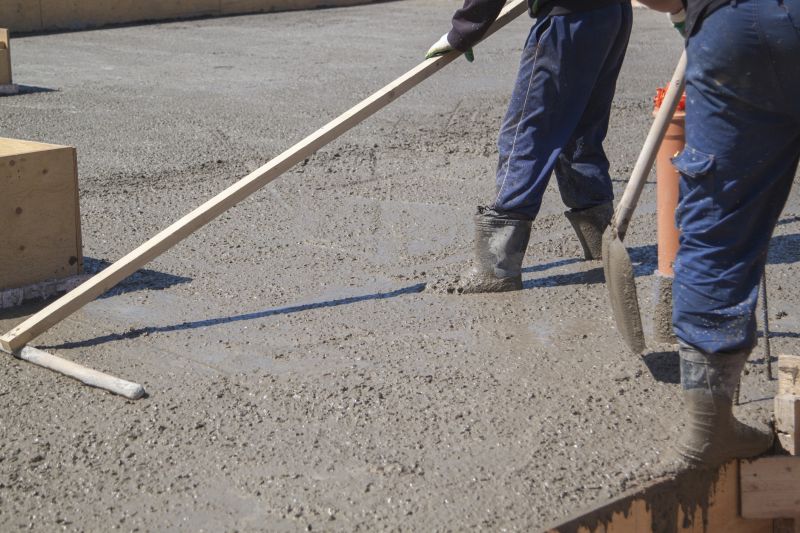
Spring offers moderate temperatures and stable weather, ideal for concrete leveling projects.

Early fall provides cooler temperatures and less rain, making it suitable for leveling work.
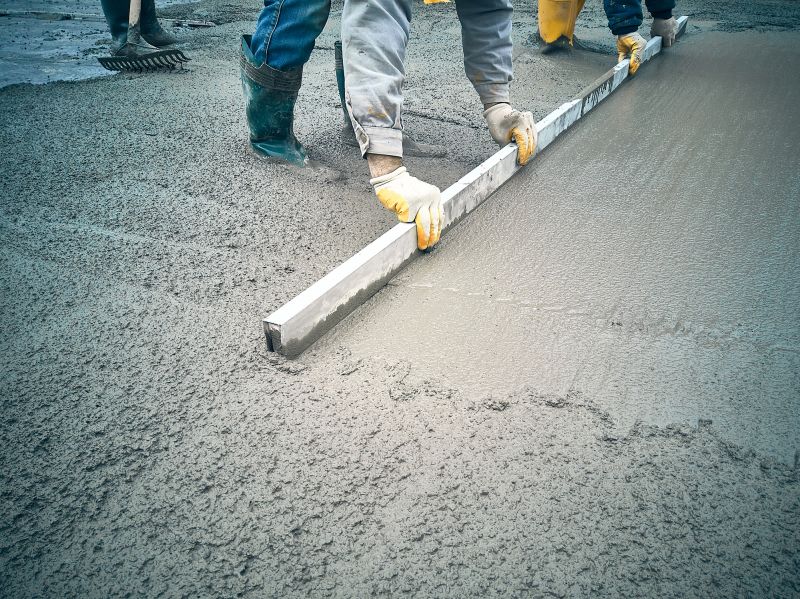
Clear, dry days with mild temperatures support successful concrete leveling.
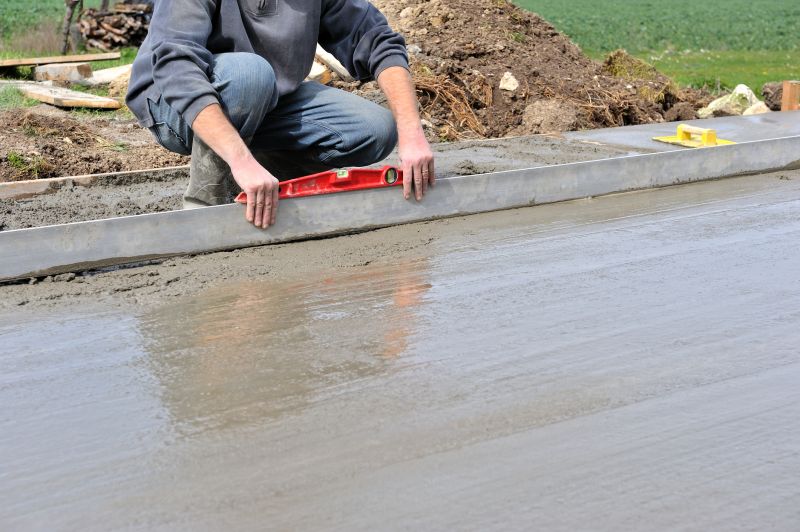
Ways to make Concrete Levelings work in tight or awkward layouts.
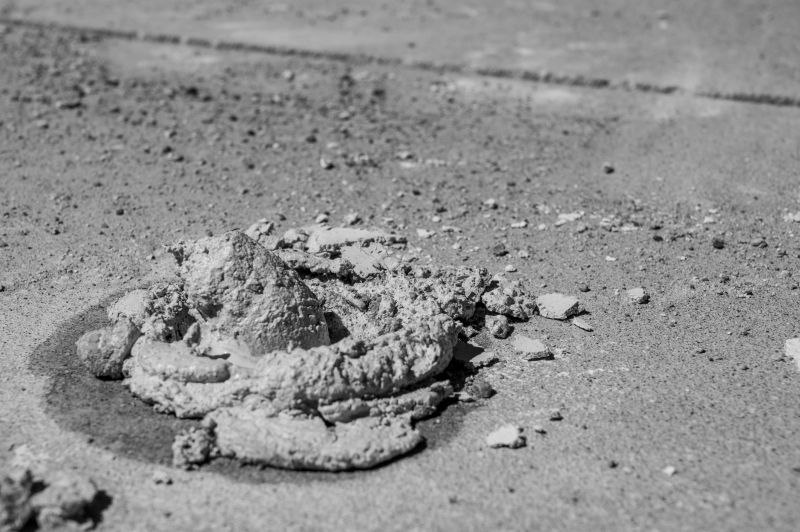
Popular materials for Concrete Levelings and why they hold up over time.
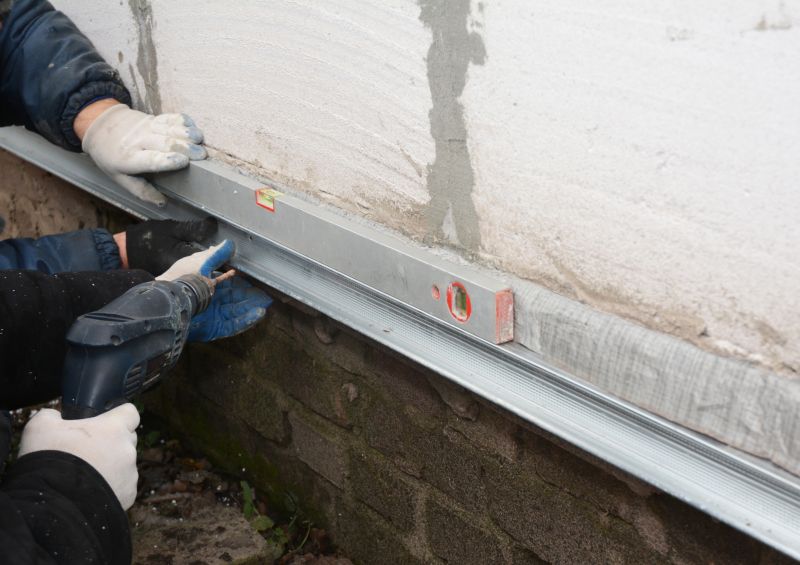
Simple add-ons that improve Concrete Levelings without blowing the budget.
| Season | Best Conditions |
|---|---|
| Spring | Moderate temperatures, low rain, and stable ground moisture |
| Summer | High temperatures may require early morning or late evening scheduling |
| Fall | Cooler temperatures and dry weather |
| Winter | Not recommended due to freezing temperatures and ground frost |
Concrete levelings involve raising and leveling uneven or sunken concrete surfaces by injecting materials beneath the slab. This process restores the surface to a flat, stable condition, preventing further damage and improving safety. Proper timing ensures the materials cure correctly and bond effectively with the existing concrete, resulting in a durable repair.
Statistics indicate that scheduling concrete levelings during optimal weather conditions can extend the lifespan of the repair by reducing the risk of future settling or cracking. The process is quick, minimally invasive, and can be completed in a few hours, making it an efficient solution for property maintenance.
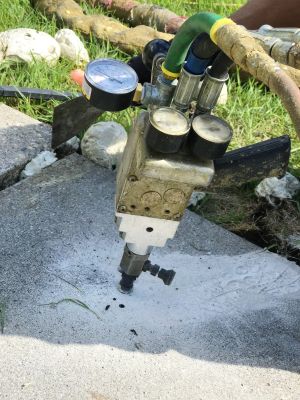
Specialized tools and materials are used for effective leveling.
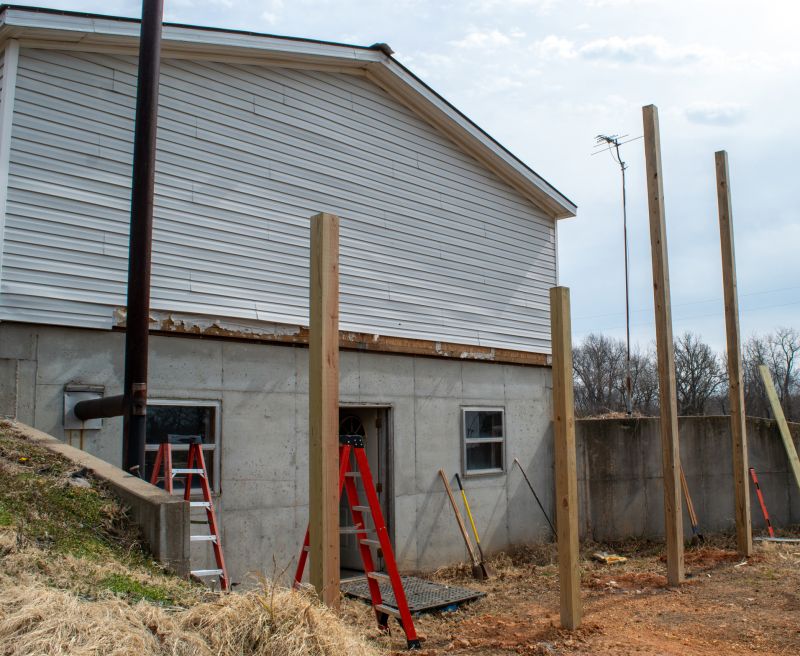
Visual comparison showing the transformation after leveling.
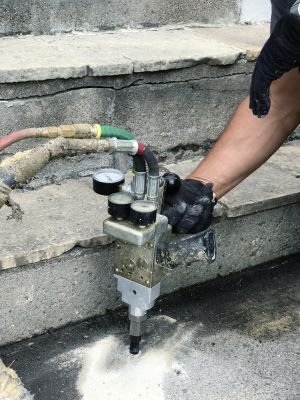
Injection of foam or other materials to lift and stabilize concrete.
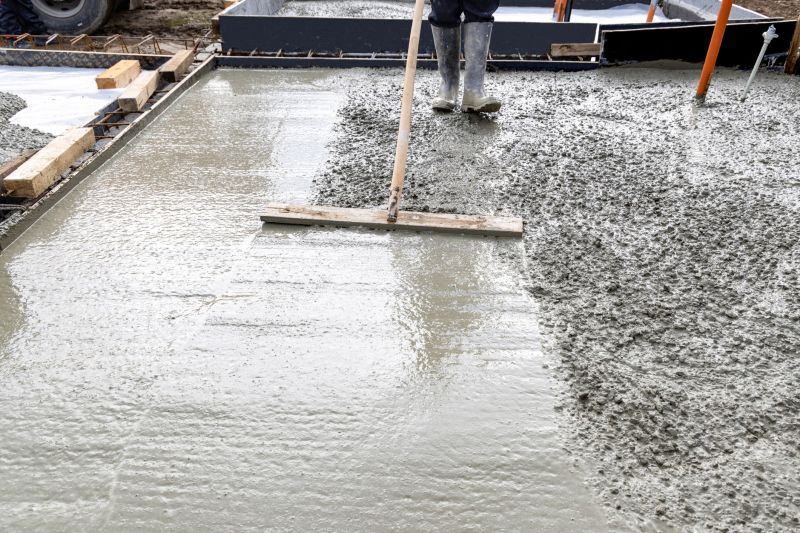
Smooth, level concrete surface ready for use.
High-end options that actually feel worth it for Concrete Levelings.
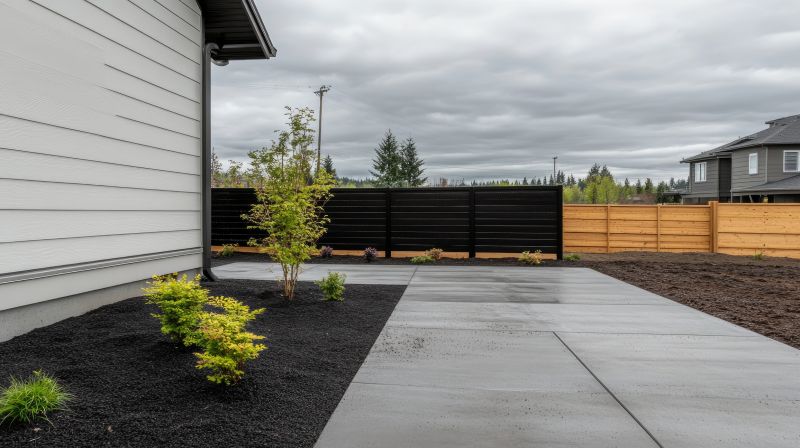
Finishes and colors that play nicely with Concrete Levelings.
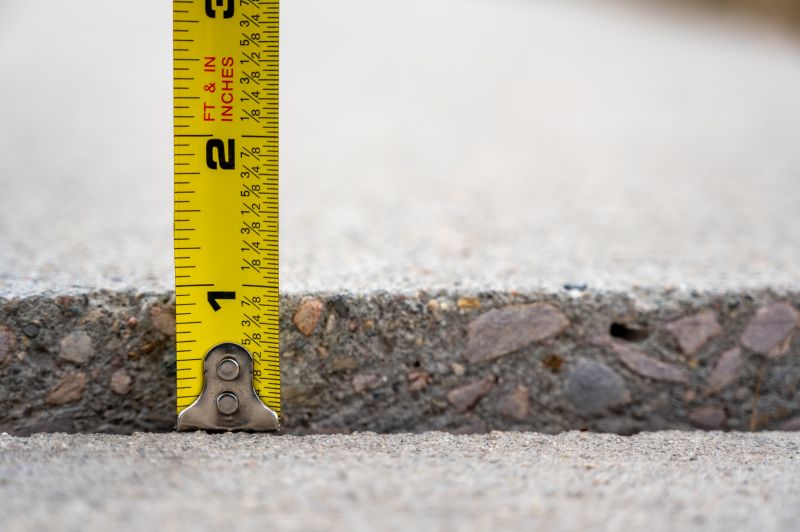
Little measurements that prevent headaches on Concrete Levelings day.
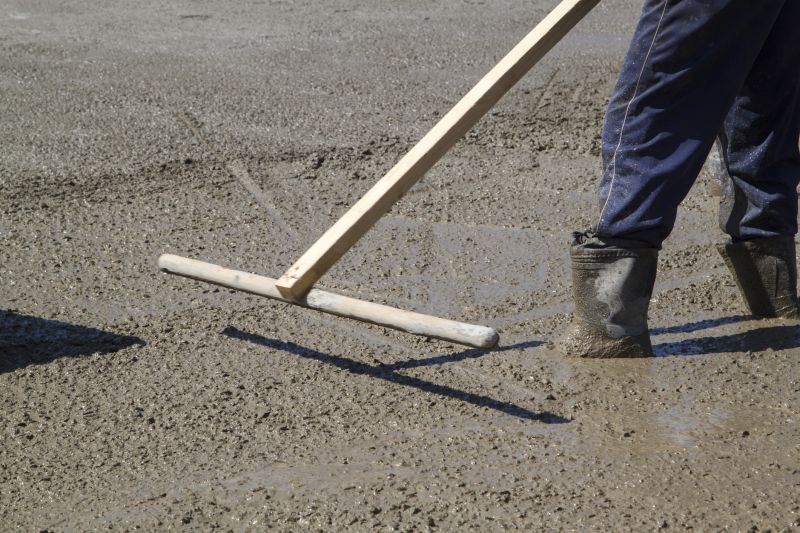
A 60-second routine that keeps Concrete Levelings looking new.
Interested property owners can consider scheduling their concrete levelings during the most suitable seasons to ensure the best results. Proper planning and timing can lead to longer-lasting repairs and a safer, more functional outdoor space.
For further information or to discuss scheduling, contact the relevant service provider to determine the optimal timing based on local weather patterns and project specifics.